Explained: Why Your Tinnitus May Have Nothing to Do With Your Ears
Many people are being treated for ear damage they don't have.
November 2026 — A lot of people with ringing ears hear the same thing from their doctor: your hearing is normal. But there's a blind spot in how tinnitus is usually checked — and for many sufferers, the ears have nothing to do with it.
The real culprit? Your neck.
Researchers call it somatic tinnitus: ringing, buzzing or high-pitched hissing that is driven by the muscles and joints of the neck and jaw, not by damage inside the ear.
People with this type of tinnitus are often told their hearing is fine. Many are given a white noise machine and sent home to "learn to live with it."
But there's something that usually isn't checked:
Chronic muscle tension at the top of the neck — around C1-C2, the two vertebrae at the very base of the skull.
Your Neck Controls More Than You Think
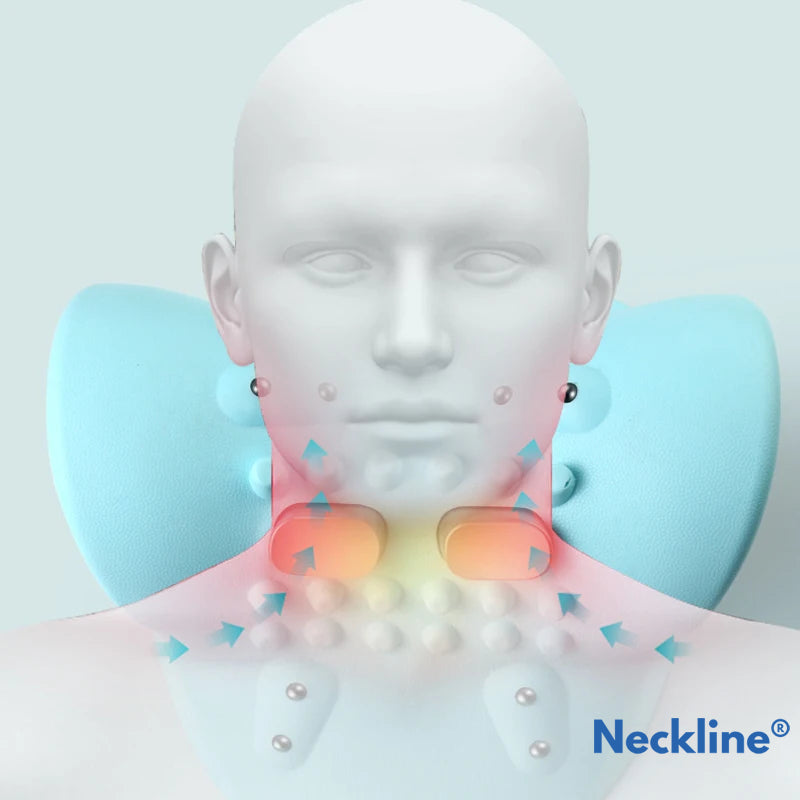
Here's what most people are never told:
The nerves and muscles at the base of your skull feed into the same part of the brain that processes sound.
When those muscles stay chronically tight — from stress, desk work, phone use, old injuries — they keep firing signals into that system.
Like static on a phone line.
Your brain receives signals that don't match any real sound. But it tries to make sense of them anyway — and hears ringing.
Constant sound. Sound nobody else can hear.
That's why, for many sufferers, the noise changes when they turn their head, clench their jaw or press on their neck.
And here's the frustrating part: no hearing test will ever catch this. Your hearing can be perfectly normal while the tension in your neck keeps the noise going.
Why It Gets Missed

When someone comes in with ringing ears, the usual checks are the ear canal, the eardrum and a hearing test. The neck often isn't part of the exam.
It's a story we hear from customers again and again: months of appointments, every test "normal" — and nobody looked at their neck. Even though it ached constantly. Even though the ringing changed pitch when they turned their head.
The result? Sound therapy and white noise that only mask the sound — while the tension underneath stays exactly where it is.
Why Normal Treatments Often Fall Short

Even when neck tension is suspected, typical treatments fall short:
Sound therapy masks the noise temporarily — but does nothing about the tension behind it.
Regular massage feels good but mostly reaches the surface muscles. The deep muscles at the base of the skull stay tight.
Medication may help you cope, but it doesn't relax your neck.
Physical therapy can help — but it often means months of paid appointments.
The Four-Part Approach That Goes After the Tension
Physiotherapists and massage therapists use four proven tools to release neck tension. Using them together is what makes the difference:
Part 1: Electric Muscle Stimulation (EMS)
EMS sends gentle electrical pulses into your neck muscles — including the deeper ones that hands struggle to reach. The pulses make the muscles contract and release, helping to loosen tension that's been there for years.
Part 2: Therapeutic Heat
Heat relaxes tight muscles and increases local blood flow — which is why it's a staple of neck-pain care. It helps stiff tissue soften so the other treatments work better.
Part 3: Precision Massage
Targeted pressure at the base of the skull — exactly where the tension sits. It helps the muscles let go and switches on your body's natural "rest and relax" response.
Part 4: Cervical Traction
This is the key. A gentle stretch creates space between your vertebrae and takes pressure off the neck. It's the same principle used in physiotherapy — at a gentle, controlled 26° angle.
Together, these four don't just mask the ringing. They go after the neck tension behind it.
How Can a Four-Part Treatment Cost Only ?
Getting all four treatments separately means appointments at different practices, often several times a week. Insurance rarely covers it, and the cost quickly runs into hundreds every month.
That's why Neckline was developed: one device that combines EMS, heat, massage and traction — for use at home, whenever you want.
Four treatments. One device. Home-use convenience.
All for . But not for long.
The regular price is . Right now Neckline is running a promotion — 0% off.
Once the promotion ends, the price returns to .
From the Clinic to Your Living Room
Neckline combines all four parts of the approach:
- ✅ EMS that works on the deep muscles at the base of the skull
- ✅ Soothing heat to relax tight tissue and boost local circulation
- ✅ Massage points positioned right where the tension sits
- ✅ Gentle cervical traction that creates space between the vertebrae
You use it for 15 minutes a day, lying down.
What customers tell us after a couple of weeks of daily use:
- ✅ The ringing is quieter
- ✅ It fades into the background instead of taking over
- ✅ They have their first quiet mornings in a long time
- ✅ They sleep better and feel calmer
Results vary from person to person — that's why there's a 30-day guarantee.
Real People, Real Relief
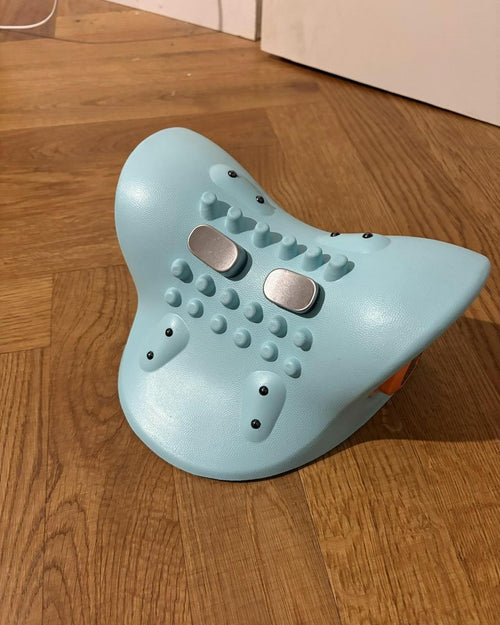

"I've had tinnitus for 4 years. Tried everything. This is the first thing that's actually reduced the volume. The gentle stretch combined with the heat seems to release whatever was irritating the nerves."
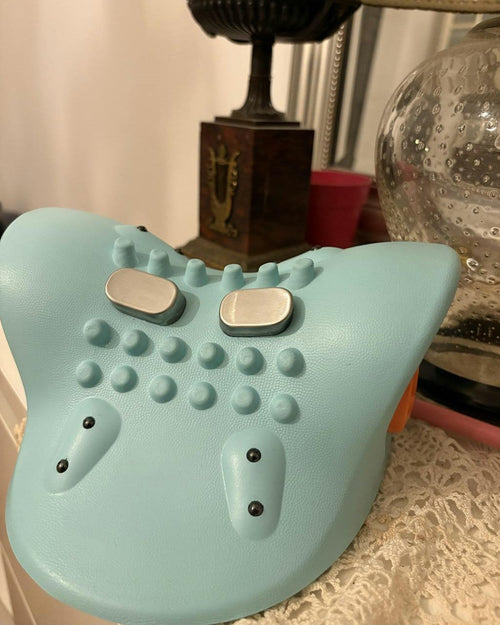

"My tinnitus was always worse with stress and tight neck muscles. Since using Neckline daily, the ringing has faded to a whisper. I finally sleep through the night."
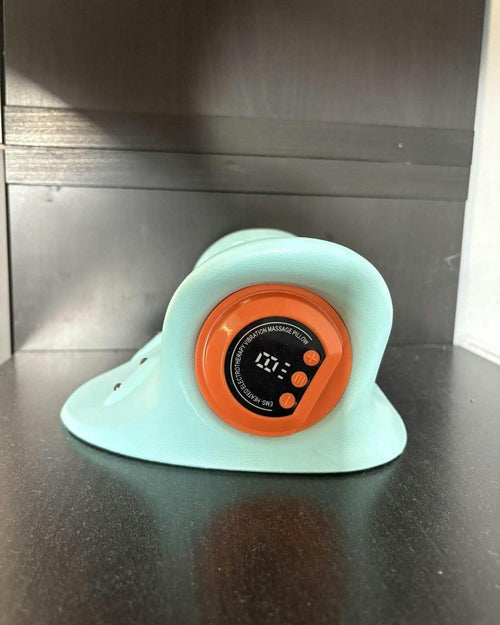

"I thought I'd have to live with the buzzing forever. Three weeks with Neckline and I wake up to silence most mornings. The ringing still comes back sometimes but it's so much quieter."
Why This Works When Everything Else Didn't
The difference is simple: it goes after the tension, not just the sound.
White noise machines mask symptoms. Sound therapy retrains your reaction to the noise. Basic massage only reaches the surface.
Neckline's four-part approach works at the base of the skull, where the tension sits:
- ✅ The EMS loosens deep muscle tension that's been there for years
- ✅ The heat relaxes tight tissue and boosts circulation
- ✅ The massage calms your overworked nervous system
- ✅ The traction takes pressure off your neck
Together, they don't just hide the ringing — they work on what's behind it.
What You're Probably Spending Now

Think about what you may already be paying:
Sound therapy sessions: €100-200 per session
White noise machines: €50-150
Specialist visits: €150-400 per appointment
Medication: €50-200/month
Sleepless nights worrying it will never stop: priceless
Most people spend a lot treating a symptom that never improves because the neck tension is never addressed.
Neckline costs (regular price ). One-time payment. Use it for years.
That's less than one specialist visit.
The 30-Day Guarantee

Here's what makes this completely risk-free:
Use Neckline for 30 days.
If the ringing doesn't quiet down — if you don't feel the relief you were hoping for — send it back for a full refund.
No questions asked.
Why Waiting Doesn't Help
Here's the truth about neck tension:
It rarely goes away on its own.
Tight muscles keep the ringing going. The ringing keeps you up at night. Poor sleep adds stress — and stress tightens your neck even more.
The sooner you break that cycle, the sooner you can get your quiet back.
Important: if your tinnitus started suddenly, is in one ear only, pulses with your heartbeat, or comes with hearing loss or dizziness, see a doctor first.
Your Two Choices

Choice 1:
Keep using white noise machines that only mask the sound. Keep seeing specialists who check everything except your neck. Keep hoping the ringing improves on its own.
Choice 2:
Go after the neck tension with the same four-part approach physiotherapists use — in just 15 minutes a day at home, without paying for weekly appointments.
Get Neckline at 0% off while the promotion lasts →

Click the button below to check if it's still in stock.
If it is, your 0% discount is applied automatically.
Advertorial. This article is a paid advertisement for Neckline®. Customer experiences are individual and results vary.
The information on this page is not medical advice and does not replace professional diagnosis or treatment. If you have a medical concern, consult your doctor.